Australian Dollar Falls to US68.94c After RBA Rate Hike; Each 1c Drop Adds $144m to WA Royalties
The Australian dollar fell to US68.94c on 9 Nov after the RBA lifted rates to 4.85%. WA Treasury says each 1c fall adds about $144m in royalties.
The Australian dollar fell to US68.94 cents on Monday 9 November, its weakest Reserve Bank reading since early July. The slide came six days after the RBA lifted the cash rate to 4.85%. For WA, a weaker dollar matters because most of the state's exports are sold in US dollars.
How far has the Australian dollar fallen?
The dollar has lost 1.29 US cents in a week on the RBA's daily 4pm measure. It sat at US70.23 cents on 2 November, the day before the rate decision.
That is the lowest reading since 2 July, when it was at the same level. The dollar is still above its 2026 low of US66.73 cents, set on 5 January. The RBA data do not say why the currency moved.
| Date | A$ in US cents (RBA 4pm) |
|---|---|
| 2 November | 70.23 |
| 3 November (rate decision) | 69.76 |
| 5 November | 70.14 |
| 6 November | 69.00 |
| 9 November | 68.94 |
What did the RBA decide on 3 November?
The RBA board lifted the cash rate target from 4.60% to 4.85%, effective 4 November. It is the fifth rise of 2026, after moves in February, March, May and September. The rate started the year at 3.60%.
The vote was split. Six members backed the rise and three wanted to hold. The board said inflation is broad and is now forecast to stay above 3% for the coming year.
What did the RBA say about jobs?
The RBA expects employment to keep growing, but unemployment to rise more than it forecast in August. It said the economy is slowing, house prices have fallen and the jobless rate has already risen.
Higher rates are expected to weigh on home building and household spending. On the other side, the RBA expects business investment to be stronger in the near term, including spending on data centres.
Why does a weaker dollar matter for WA?
WA Treasury says most of the state's commodities are sold on world markets and priced in US dollars. When the Australian dollar falls, those sales are worth more in local currency. The 2026-27 Budget estimates each one US cent fall adds about $144 million a year to royalty income and North West Shelf grants.
The Budget assumed the dollar would average US68.9 cents in 2026-27, so Monday's level is right on that forecast. Treasury also lists iron ore as a large risk, with each US$1 a tonne change worth about $93 million in royalties. Royalties fund state services, but they do not set hiring at any single mine.
How is the WA job market holding up?
WA's job market was stronger than the national average at the last count. ABS figures for September put WA's seasonally adjusted unemployment rate at 4.2%, against 4.7% nationally. WA's participation rate was 69.1%, and 1,706,600 people were employed.
The WA Budget forecasts unemployment to average 4.25% in 2026-27. The ABS will publish October labour force figures on 19 November, the first count since the latest rate rise.
What it means for Perth job seekers
Resources employers still dominate WA hiring. On 9 November, Jobs In Perth listed 454 live direct-from-employer jobs in Western Australia. Of those, 263 were mining jobs in WA, or 58%.
Of the 50 newest mining ads, Mineral Resources posted 22, Rio Tinto 17, BHP 7 and Fortescue 4. Twenty-four were FIFO roles, and nine closed within seven days. None stated an annual salary.
Building trades look thinner. Our feed showed only 21 live trade and construction jobs in Perth placed directly by employers. Nineteen were FIFO roles with resources companies, not suburban building work.
How we reported this
- Exchange rates come from the Reserve Bank of Australia's F11.1 daily 4pm series, observed on 9 November 2026.
- The rate decision, vote and outlook come from the RBA Monetary Policy Board statement of 3 November 2026. Earlier 2026 rate moves come from the RBA cash rate target table.
- WA and national labour figures come from ABS Labour Force, Australia, September 2026 (released 15 October 2026).
- Revenue sensitivities and Budget assumptions come from the 2026-27 WA State Budget, Budget Paper No. 3.
- Jobs In Perth figures are live direct-from-employer ads in our feed, observed on 9 November 2026.
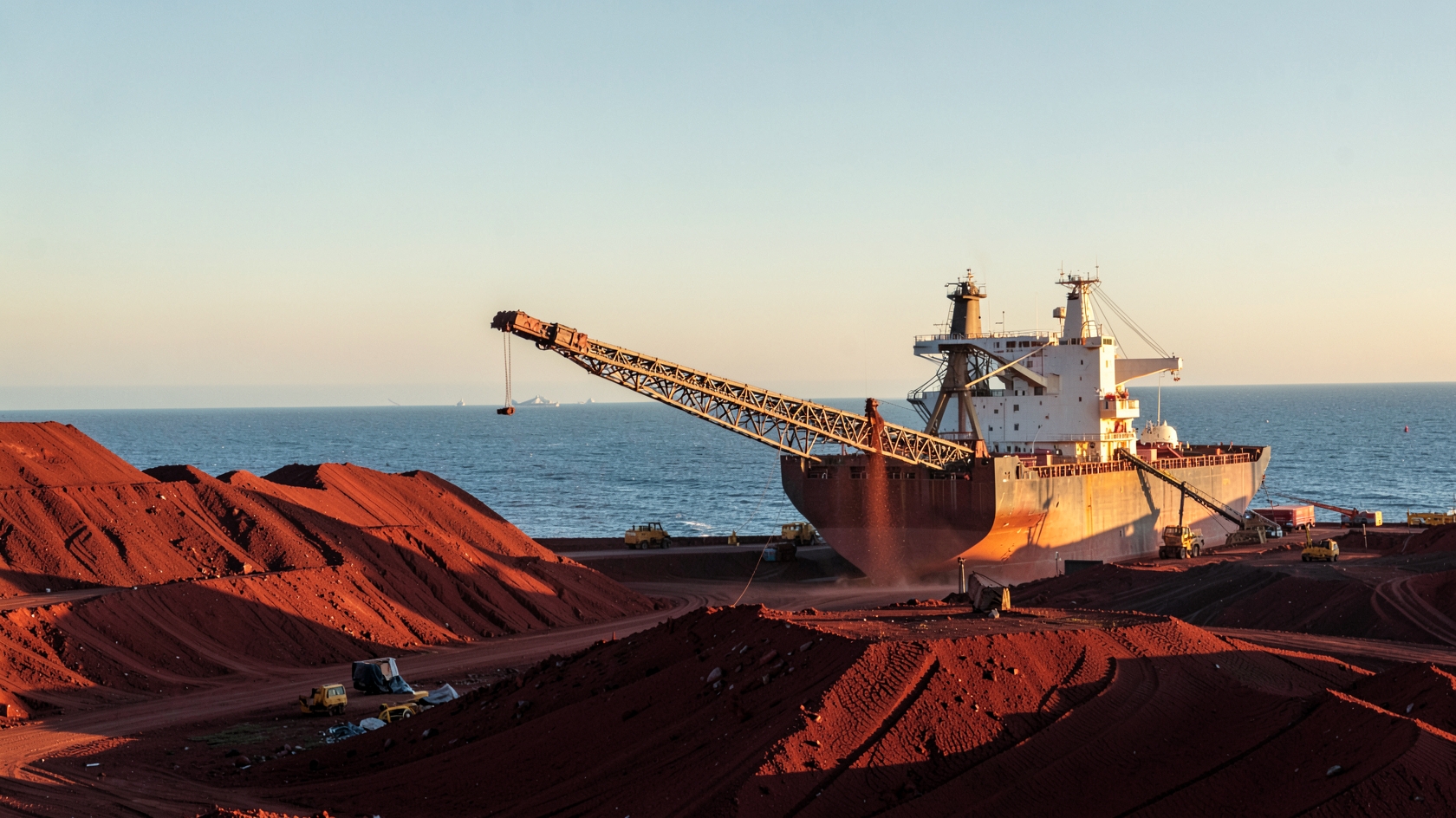
- Cover image: AI-generated illustration, not a photo of the event.
Sources
- Reserve Bank of Australia: Statement by the Monetary Policy Board, Monetary Policy Decision (3 November 2026)
- Reserve Bank of Australia: Cash Rate Target
- Reserve Bank of Australia: F11.1 Exchange Rates, daily (CSV)
- ABS: Labour Force, Australia, September 2026 (15 October 2026)
- WA Government: 2026-27 State Budget, Budget Paper No. 3, Economic and Fiscal Outlook
About this reporting
Read the Jobs In Perth editorial policy, or browse current Perth jobs.